Rodents Don’t Wait for Business Hours.
Neither Should Your Monitoring.
Recent news from San Jose serves as another reminder of an uncomfortable reality for food retailers, grocery stores, and pest management professionals: rodent activity is often discovered long after it begins.
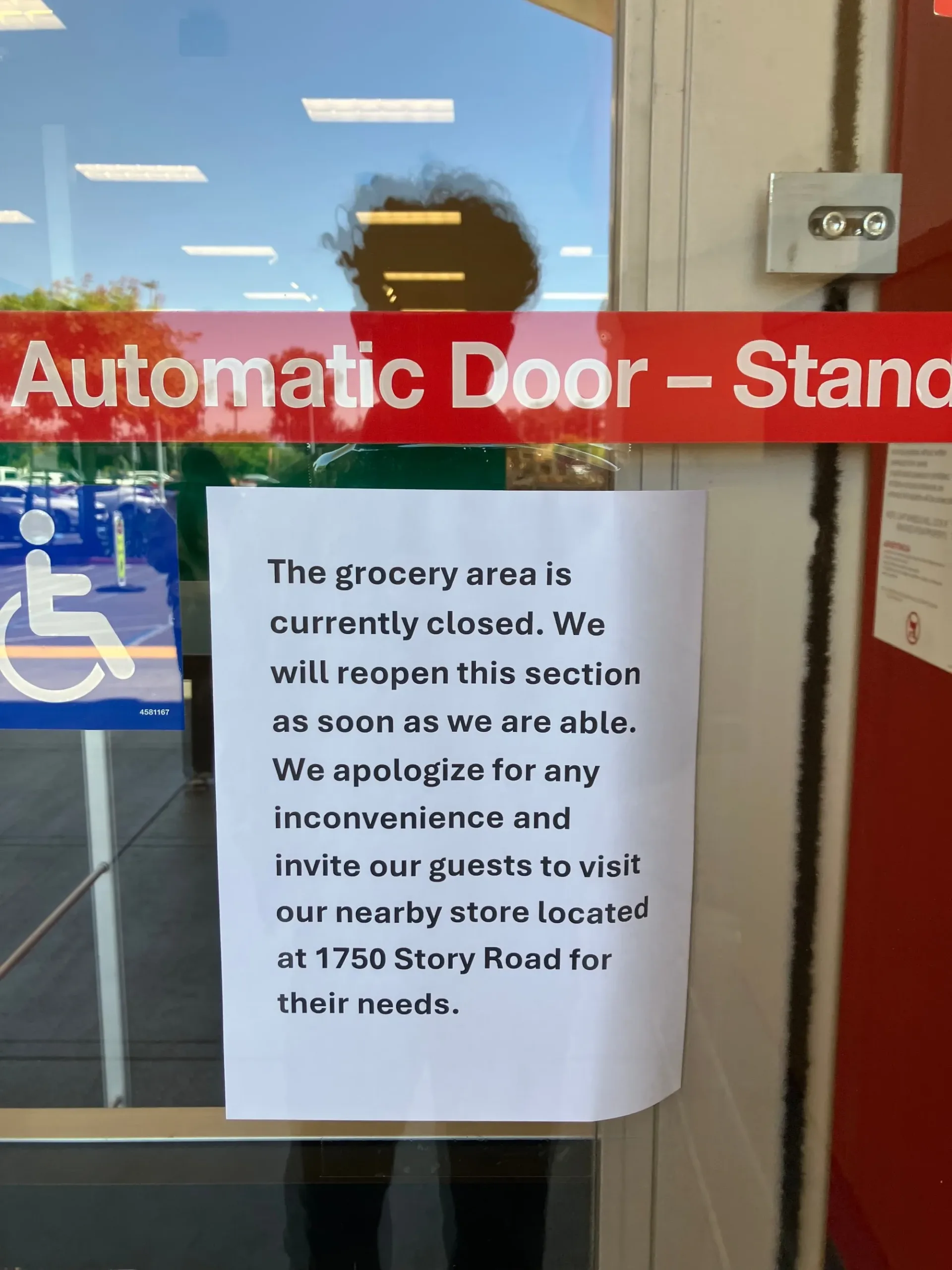
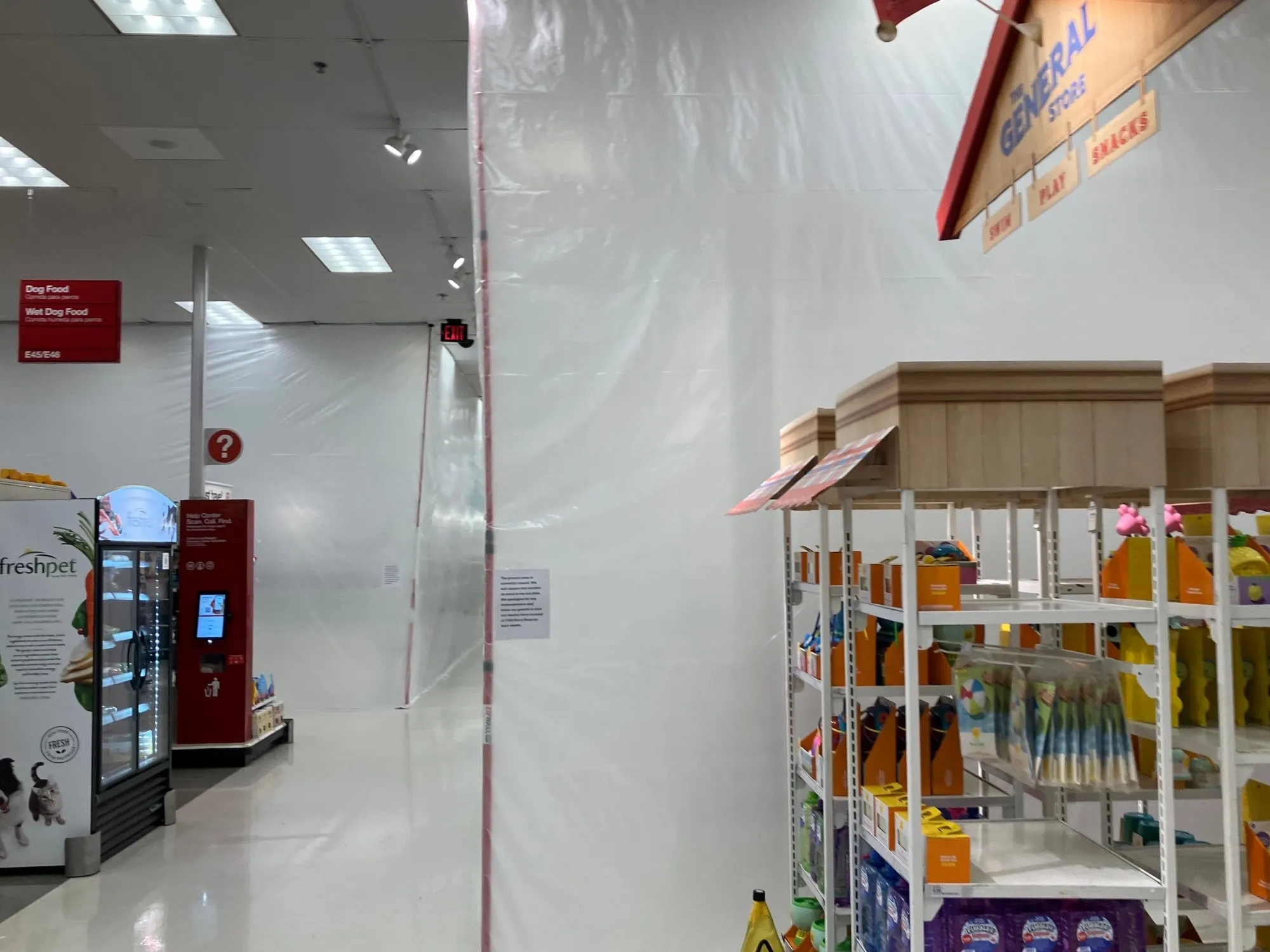
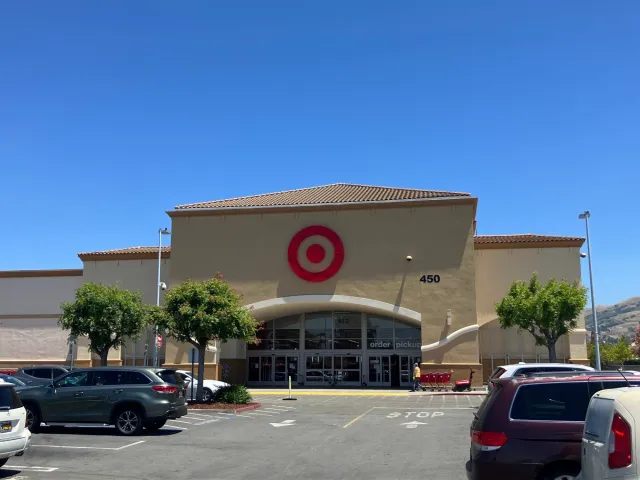
A Target store in San Jose recently closed its grocery section after a health inspection uncovered evidence of rodent activity, including droppings and damaged food packaging in warehouse areas. The issue was significant enough to trigger the closure of food operations until corrective actions could be verified. While the specifics of this situation are unique to that facility, the underlying challenge is not.
The question isn’t whether rodents can enter a facility. The question is how quickly their presence can be detected and addressed.
For decades, pest management programs have relied heavily on routine inspections and manual trap checks. These practices remain important, but they share a common limitation: they provide only snapshots in time.
A trap may be checked weekly, biweekly, or monthly. Rodent activity occurring between inspections often goes unnoticed until evidence accumulates. By then, contamination risks, product damage, customer impact, and regulatory exposure may already be present.
This is where remote monitoring changes the conversation.
Modern remote monitoring systems combine intelligent sensing technology with a reliable communications infrastructure to provide full-time visibility. At Skyhawk Trapmate, our PIR sensor, utilizing infrared movement technology, is designed to detect rodent activity and generate alerts within seconds when movement is detected within monitored devices. Those sensors communicate through our AA battery-powered Hub, creating a complete monitoring platform that operates independently of Wi-Fi or facility power. Because the Hub can be strategically deployed wherever coverage is needed, pest management professionals gain immediate awareness of activity across warehouses, storage areas, drop ceilings, and other critical locations where rodents are most likely to be present.
Instead of relying on scheduled inspections and manual checks, connected rodent monitoring systems lets PCOs provide transparent, full-service monitoring to their clients, which can help catch rodents sooner.
The value extends beyond catching rodents sooner.
For food facilities, distribution centers, grocery retailers, and other sensitive environments, remote monitoring creates documentation, accountability, and visibility across large or dispersed operations. Instead of wondering whether traps have activity, managers and service providers have access to actionable information when and where it matters most.
At Skyhawk Trapmate, we believe remote monitoring should be designed around the realities of pest management. Sensors must operate reliably in challenging environments. Connectivity must work where pests actually travel—including ground-level locations, warehouses, drop ceilings, storage areas, and utility spaces. Battery life must support long-term deployments without creating additional maintenance burdens.
Most importantly, rodent monitoring systems should help pest management professionals focus their time where it delivers the greatest value: solving problems rather than searching for them.
The San Jose incident is not a story about a single retailer. It is a reminder that pest activity does not follow inspection schedules.
When visibility is delayed, response is delayed.
The future of pest management is not simply checking traps more often. It is knowing immediately when something changes.
Because in environments where food safety, brand protection, and customer trust are on the line, time matters.